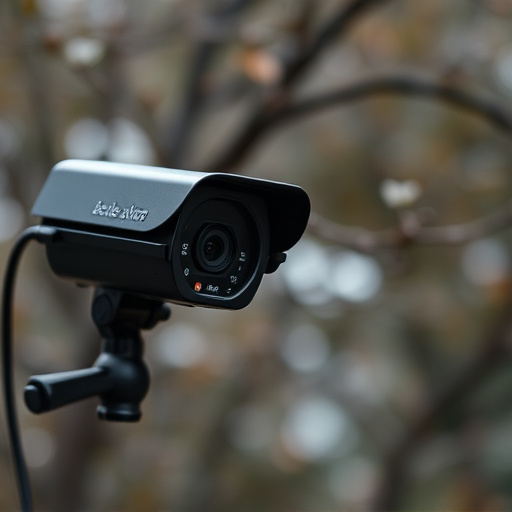
Wireless Spy Camera systems often struggle with glint detection in low-light conditions, leading to false positives and poor image quality in cloud storage. Cloud Storage Integration offers a solution by centralizing data processing, enabling real-time analysis of night-time footage. The process involves optimizing camera settings, integrating cloud storage, using specialized software for alerts, and reviewing stored footage for pattern recognition. This method enhances surveillance efficiency and accuracy for Wireless Spy Cameras, particularly in challenging urban environments.
In the realm of nighttime surveillance, wireless spy cameras face unique challenges due to varying light conditions. This article explores an innovative method for camera lens glint detection, specifically tailored for these scenarios. We delve into the science behind light reflection and its impact on image quality. By integrating cloud storage, our approach revolutionizes efficient glint analysis, offering a practical solution for enhancing surveillance capabilities with wireless spy cameras. Prepare to navigate the intricate landscape of glint detection, uncovering a game-changer for nighttime security.
- Understanding Glint Detection: The Basics of Light Reflection
- Challenges in Nighttime Surveillance with Wireless Spy Cameras
- Cloud Storage Integration: A Solution for Efficient Glint Analysis
- Implementing the Nighttime Glint Detection Method: Step-by-Step Guide
Understanding Glint Detection: The Basics of Light Reflection
Glint detection, a critical component in enhancing night-time surveillance with wireless spy cameras, revolves around deciphering light reflections. In simple terms, it identifies moments when a camera lens reflects external light sources like streetlamps or even distant screens. These reflections can obscure crucial visual data, leading to distorted images or videos stored in cloud storage systems designed for security purposes. By understanding how light bounces off surfaces and into the camera lens, developers create sophisticated algorithms that analyze pixel patterns, color intensities, and temporal fluctuations to differentiate true scenes from artificial glints.
This process is particularly vital in low-light conditions, where the contrast between genuine objects and reflective anomalies can be subtle. Advanced glint detection methods not only improve image quality but also mitigate false positives during monitoring sessions, ensuring that security professionals receive clear, accurate data without unnecessary alerts.
Challenges in Nighttime Surveillance with Wireless Spy Cameras
Surveillance using wireless spy cameras presents unique challenges, especially in low-light conditions or at night. One significant issue is the problem of glints and reflections, often caused by the camera lens capturing external light sources like street lamps or passing vehicles. These glints can obscure crucial visual information, making it difficult to identify subjects or activities within the footage. The challenge intensifies when considering the widespread adoption of wireless spy cameras due to their convenience and ease of installation.
Cloud storage is another critical aspect that compounds these challenges. As surveillance systems increasingly rely on cloud-based storage for remote access and real-time monitoring, the potential for signal interference or data disruption rises. This is particularly problematic in urban areas with dense buildings and lights, where the signal strength and stability of wireless spy cameras can be compromised.
Cloud Storage Integration: A Solution for Efficient Glint Analysis
Cloud Storage Integration offers a powerful solution for efficient glint analysis, particularly in the context of Wireless Spy Cameras. By leveraging cloud-based systems, security professionals can centrally store and process vast amounts of video data captured by these cameras, ensuring optimal performance during nighttime operations. This centralized approach allows for advanced image processing algorithms to detect and analyze glints with greater accuracy, even under low-light conditions.
The integration enhances the overall efficiency of surveillance systems by automating repetitive tasks such as data transfer and storage. With Cloud Storage, security teams can access real-time analytics, enabling them to promptly identify and respond to potential issues related to lens glints. This capability is invaluable in maintaining high-quality video footage from Wireless Spy Cameras, ensuring their effectiveness in various environments, including poorly lit or outdoor settings.
Implementing the Nighttime Glint Detection Method: Step-by-Step Guide
Implementing the Nighttime Glint Detection Method involves a strategic, multi-step process designed to enhance wireless spy camera performance in low-light conditions. Start by ensuring your camera is equipped with high-quality night vision capabilities, including advanced IR LEDs for clear visibility in complete darkness. Next, configure the camera’s settings for optimal nighttime performance: adjust sensitivity levels, frame rate, and image resolution to balance detail capture with power consumption.
For enhanced accuracy, integrate cloud storage into your system. This allows for real-time analysis of footage, enabling immediate detection of glints that could indicate movement or intrusion. Utilize specialized software or apps compatible with your camera that can process live feeds and identify subtle glint patterns, delivering reliable alerts to your smartphone or computer via internet connection. Regularly review stored footage using the cloud storage platform for further analysis and pattern recognition.
The integration of cloud storage and advanced glint detection techniques offers a powerful solution for enhancing nighttime surveillance with wireless spy cameras. By efficiently analyzing light reflections, this method overcomes the challenges posed by low-light conditions, ensuring clearer and more detailed footage. With a step-by-step guide to implementation, this innovative approach empowers users to navigate the complexities of nocturnal environments, making it an invaluable tool for various security and monitoring applications.